ABAS FIELD NOTES · 2026
Greater Washington Astronomy and Space Science Camp
Four days in Rockville
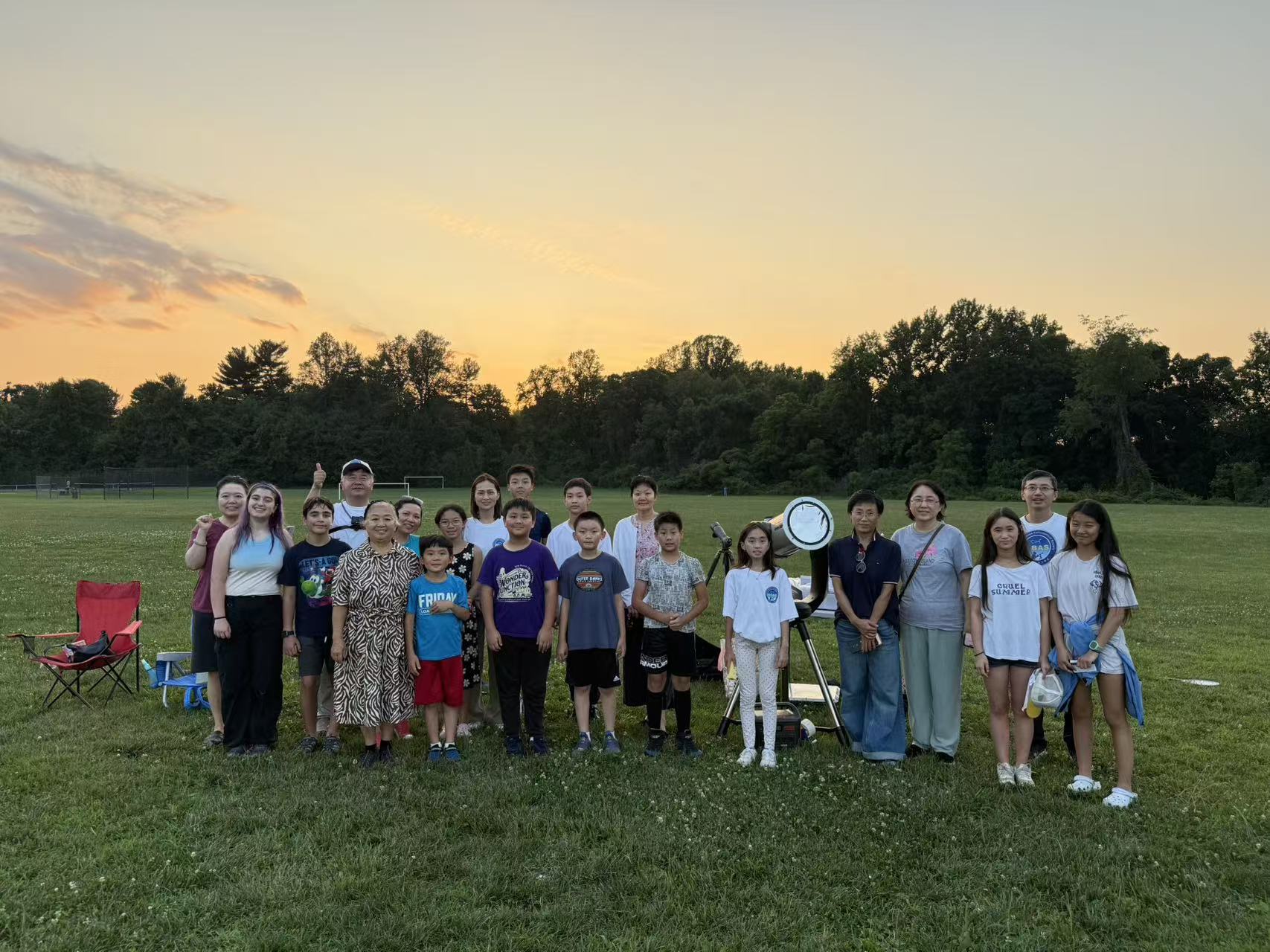
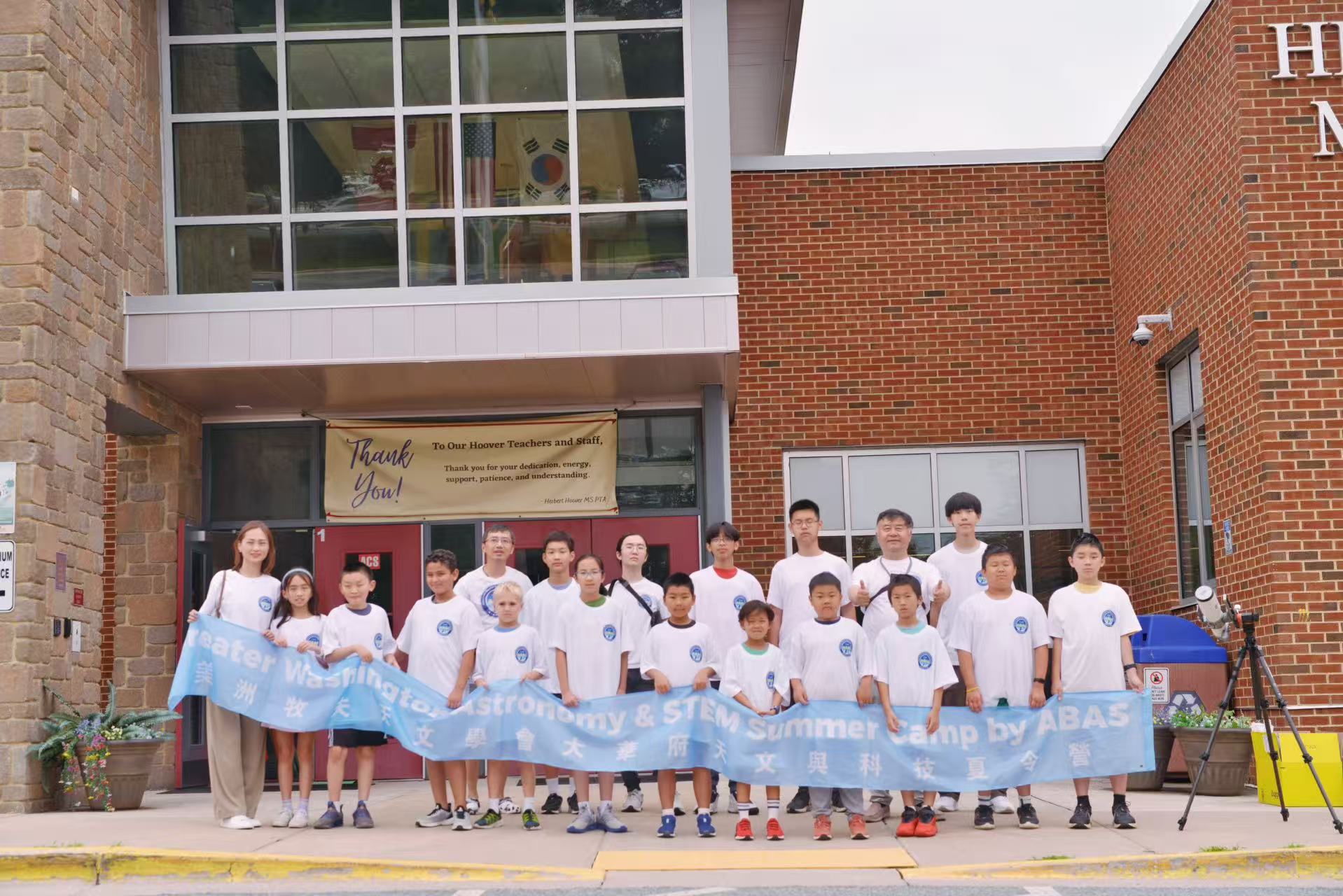
The American Boötes Astronomical Society held its 2026 Greater Washington Astronomy and Space Science Camp from June 29 to July 2 in Rockville, Maryland. Campers from many backgrounds spent four days exploring planets and the solar system together.
On June 29, two elementary students from Israel and Iran sat side by side in class, a reminder that curiosity about the night sky knows no borders.
Guest lectures and classroom science
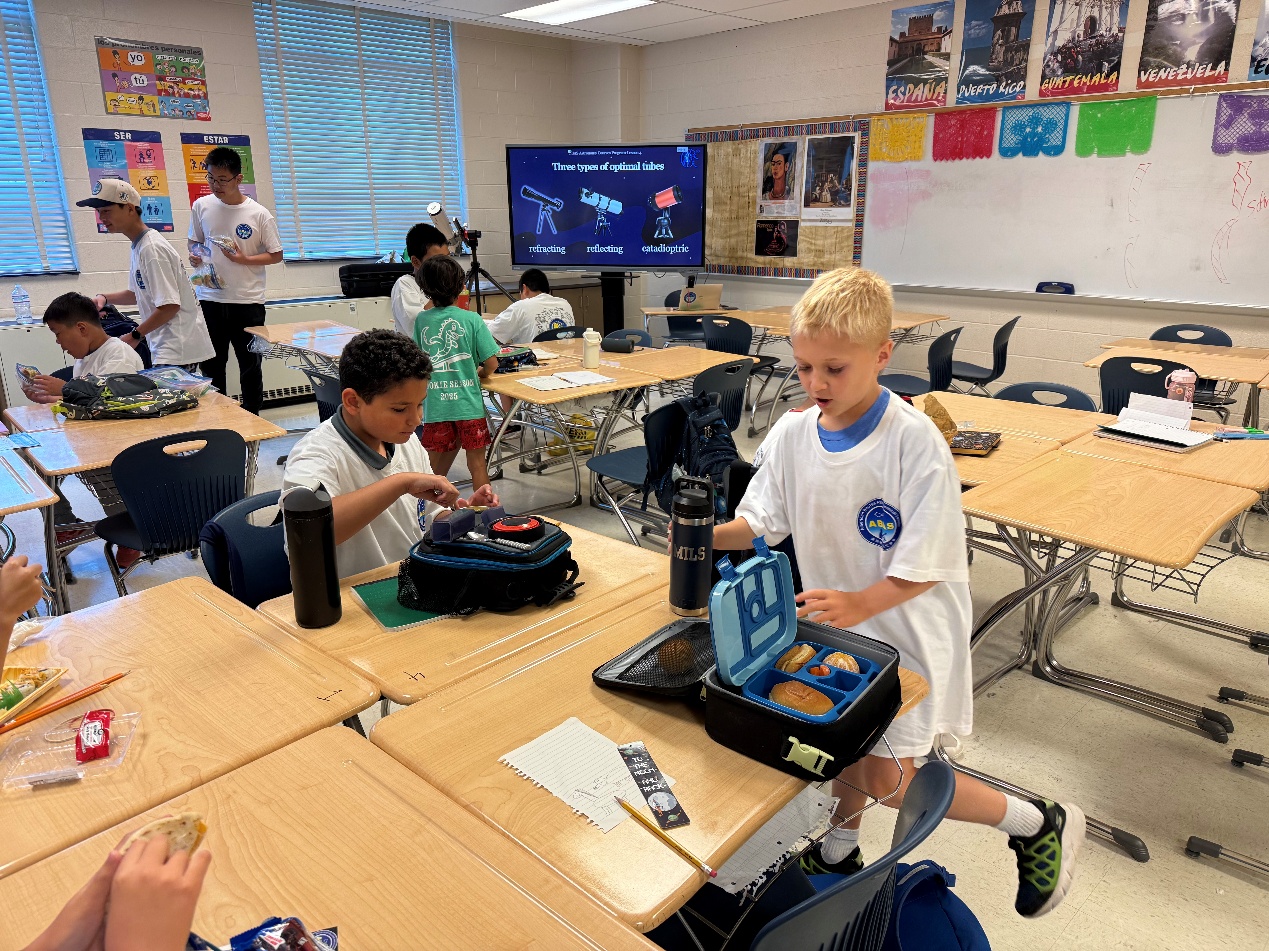
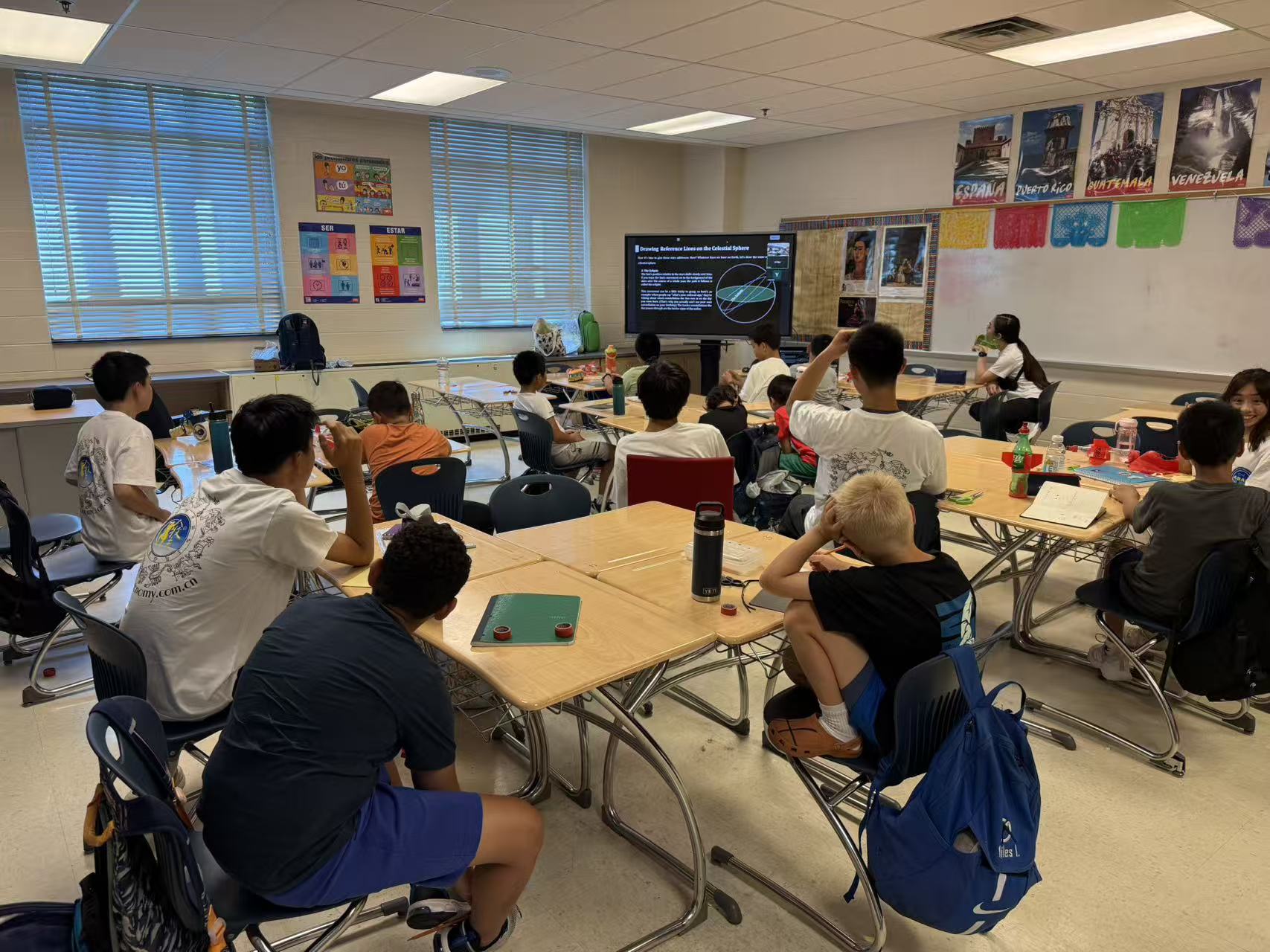
On June 29, campers listened closely as Dr. Rick Fienberg, a Harvard-trained astronomer and internationally recognized science educator, explained how Pluto was reclassified as a dwarf planet. His talk was one of several guest lectures at the four-day camp, showing students firsthand how scientists study planets and solar system history.
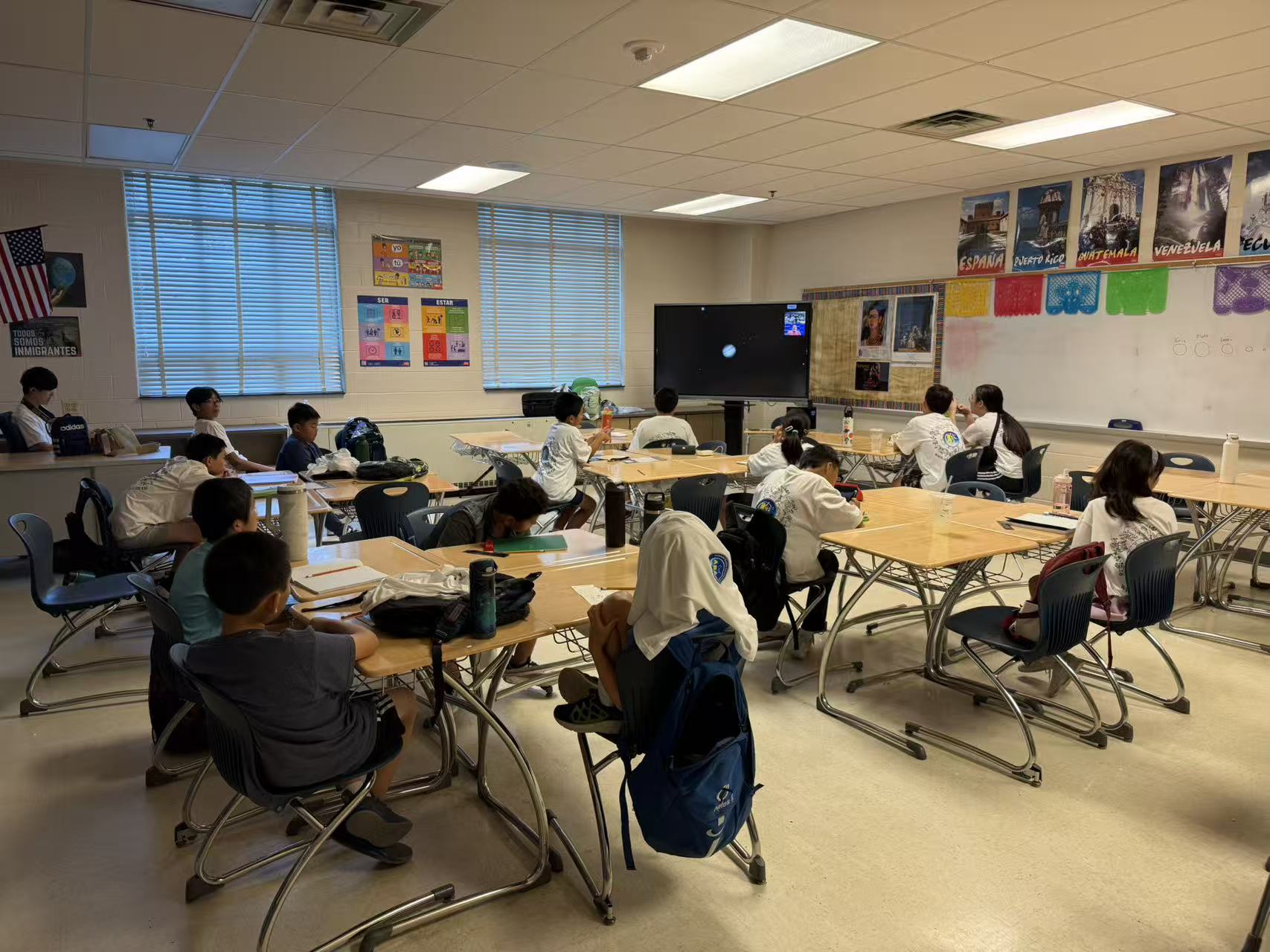
In the classroom, campers dug into the basics of astronomy, from how planets form to the history of our solar system. ABAS leaders Renjiang Xie and Ruofan Wang, along with guest instructors, used engaging talks and discussion to show students how real scientists investigate the universe, sparking questions that lasted well past the classes.
Rockets, paper instruments, and microscopes
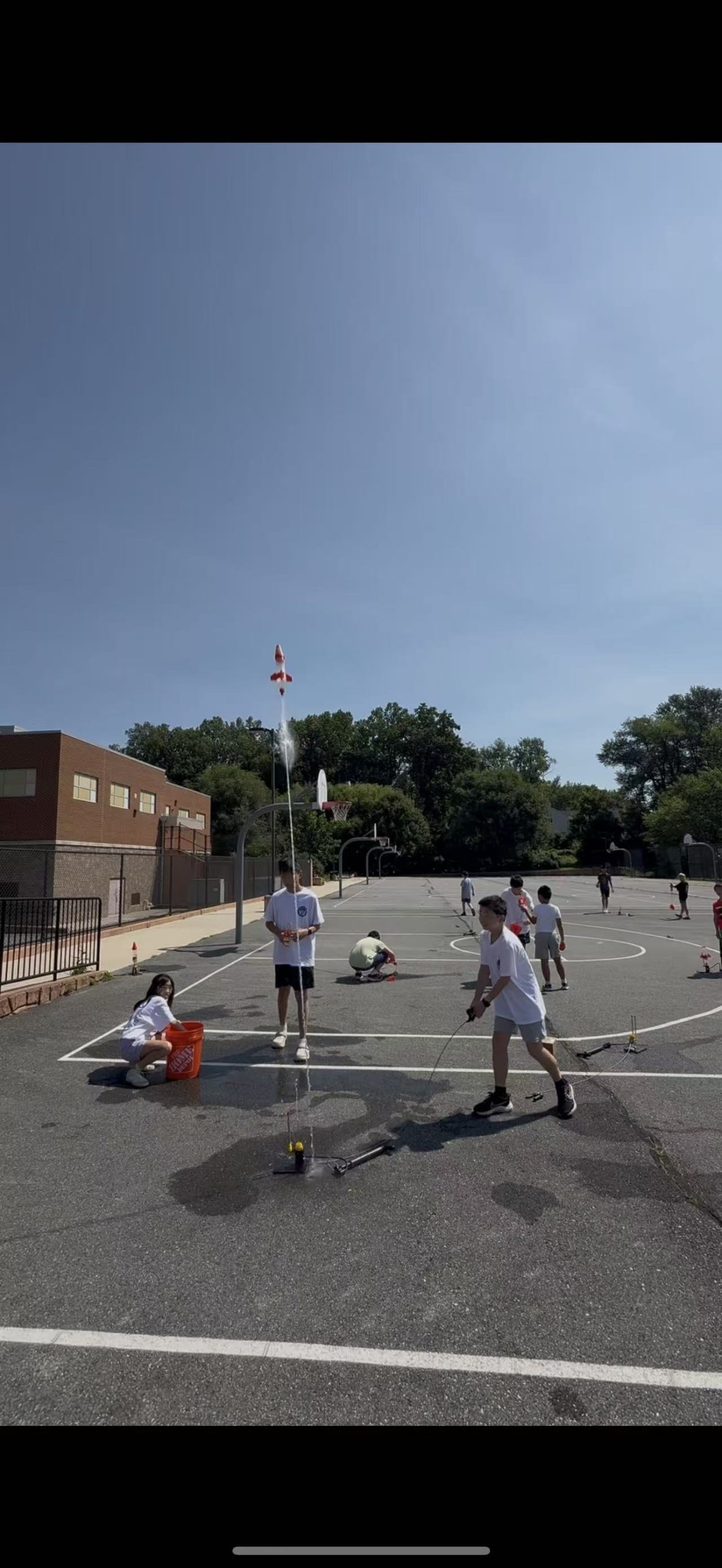
Campers gathered on the school field to launch water rockets they had designed and assembled themselves. Each flight served as a hands-on physics lesson, letting students feel how pressure, propulsion, and aerodynamics work together.
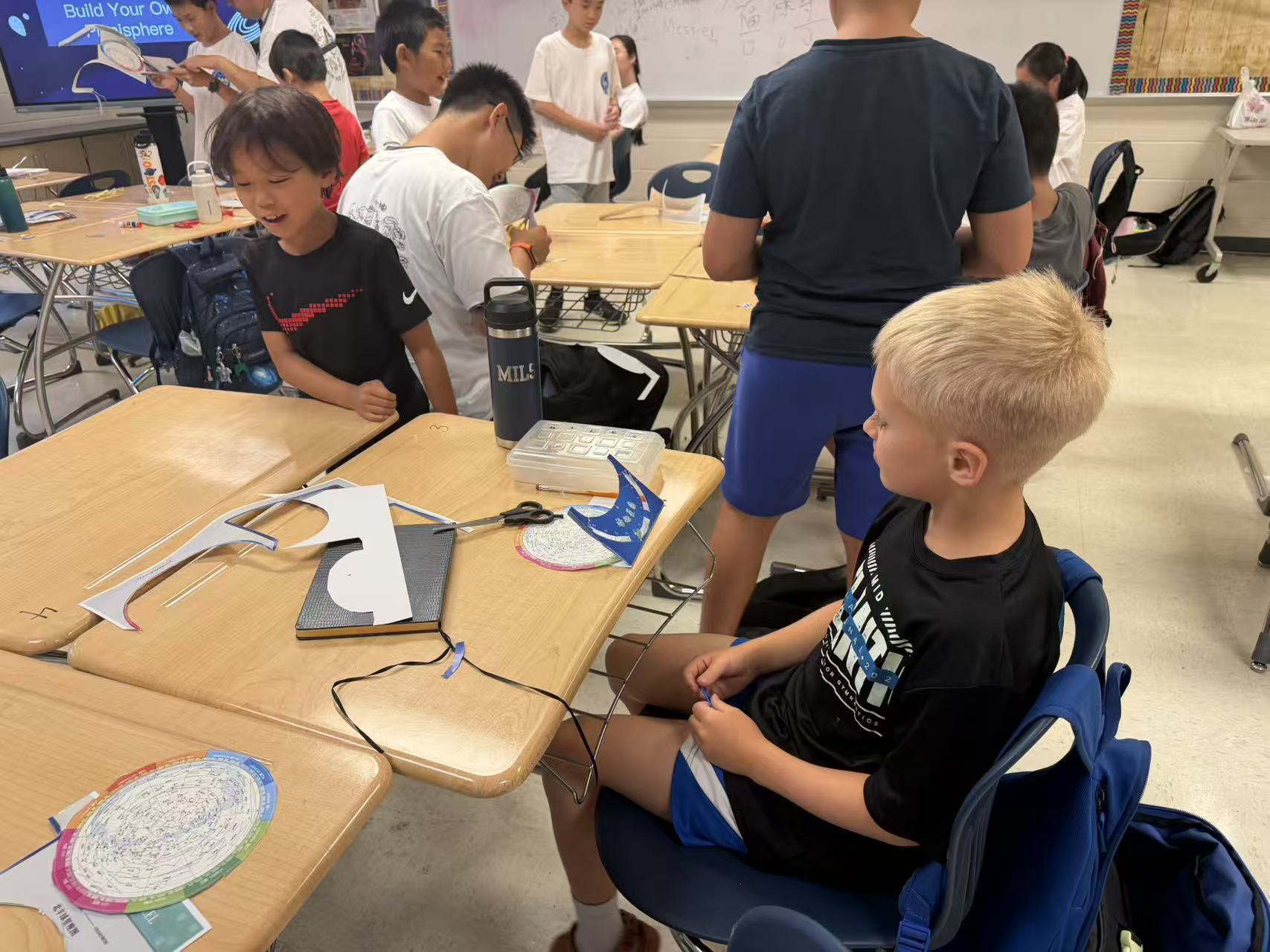
Students built simple paper astronomy instruments inspired by ancient Chinese sky-watching tools, learning how early astronomers tracked time and observed the heavens long before the telescope existed.
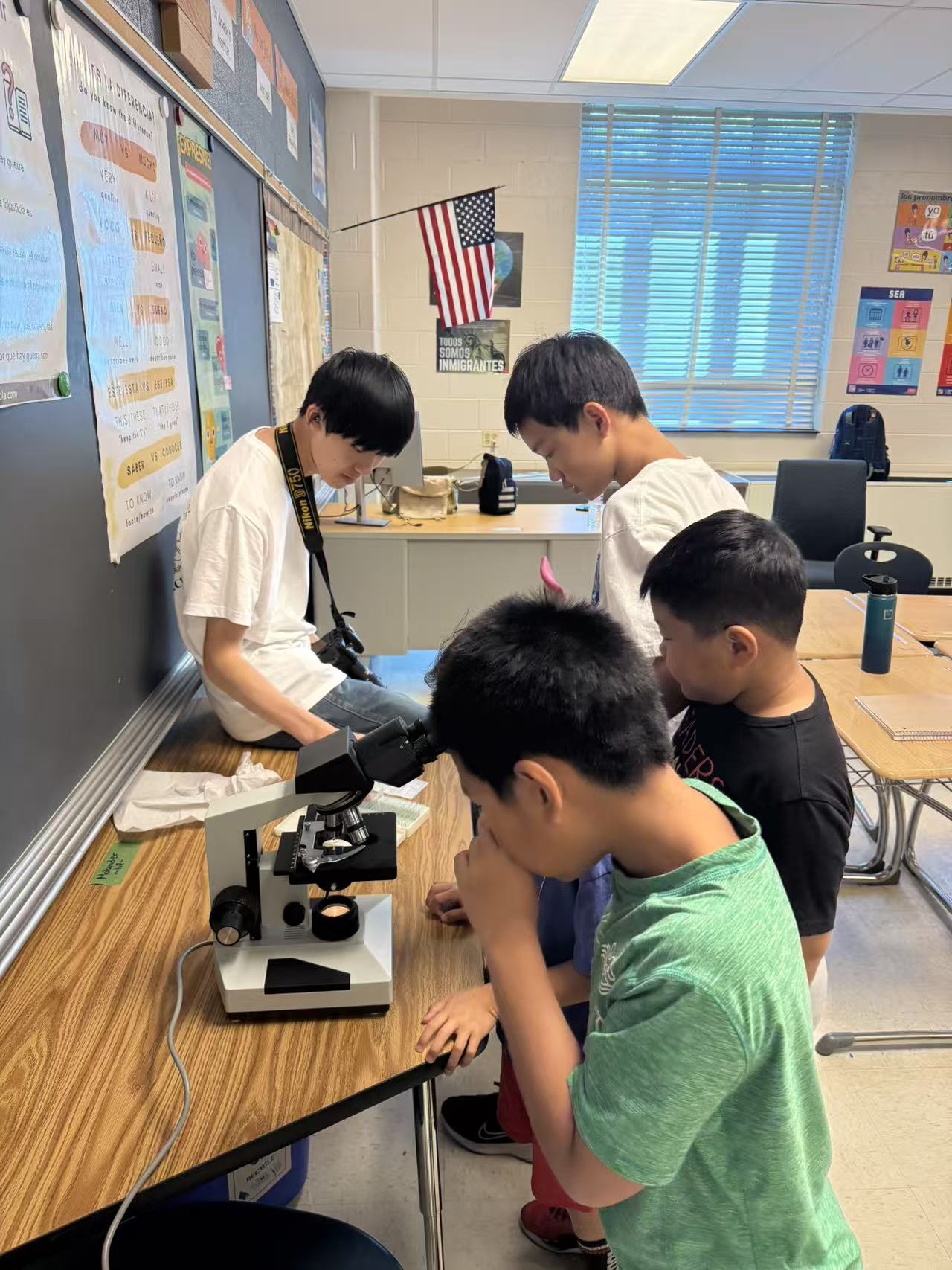
Through microscopes, campers examined thin slices of meteorites alongside biological specimens, comparing textures and structures up close.
Volunteers and certificates
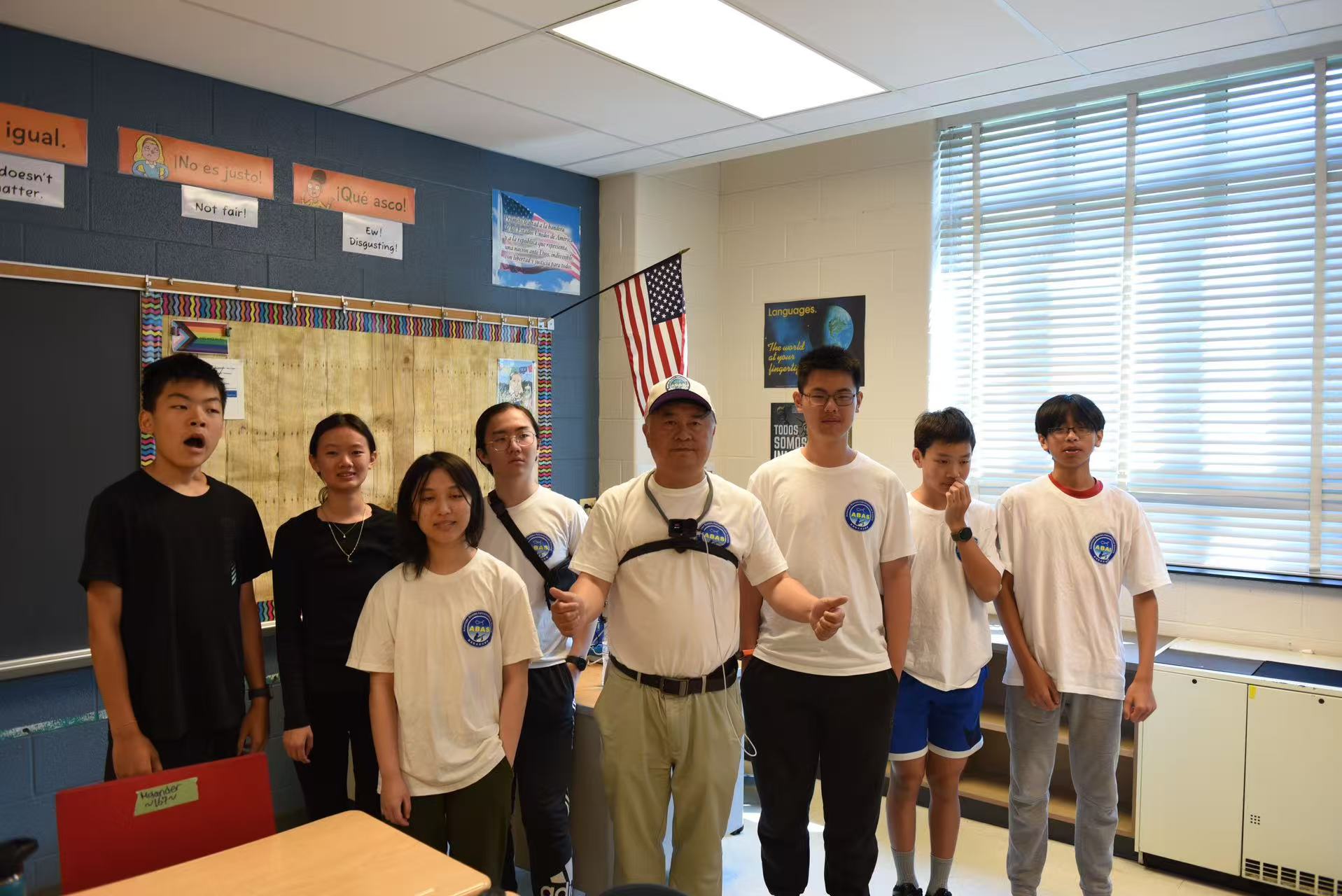
High school volunteers, including students from the Chinese Youth Organization Club (CYOC), assisted with classes and daily activities throughout the four-day camp, mentoring younger campers and helping create a rewarding learning environment for everyone who took part.
After four days of learning, building, and exploring together, campers proudly showed the certificates of completion they had earned. Beyond the certificates, students left with new friendships, new skills, and a deeper curiosity about the universe waiting for them.