01
June 29–July 2, 2026
Greater Washington Astronomy and Space Science Camp
Four days in Rockville
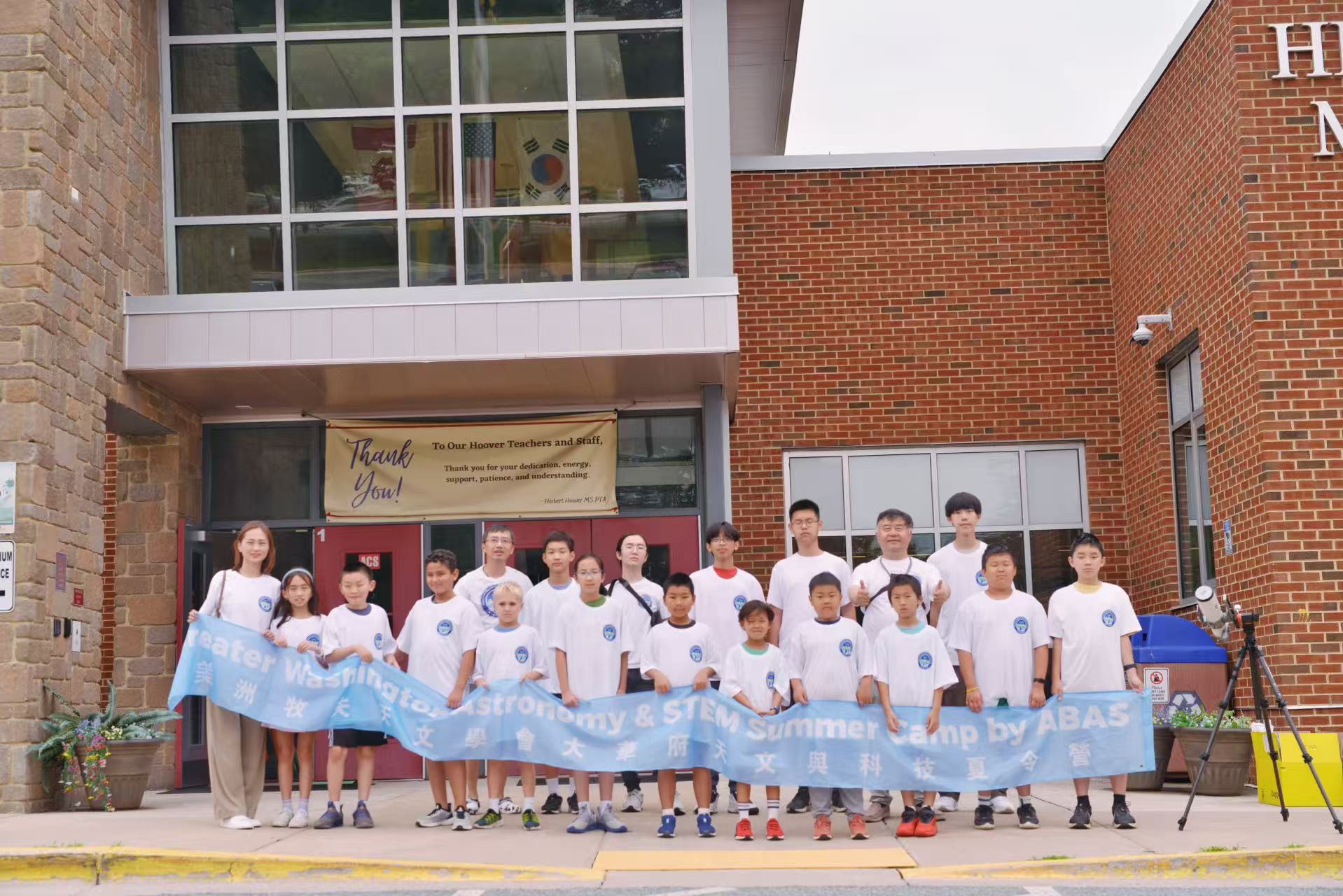
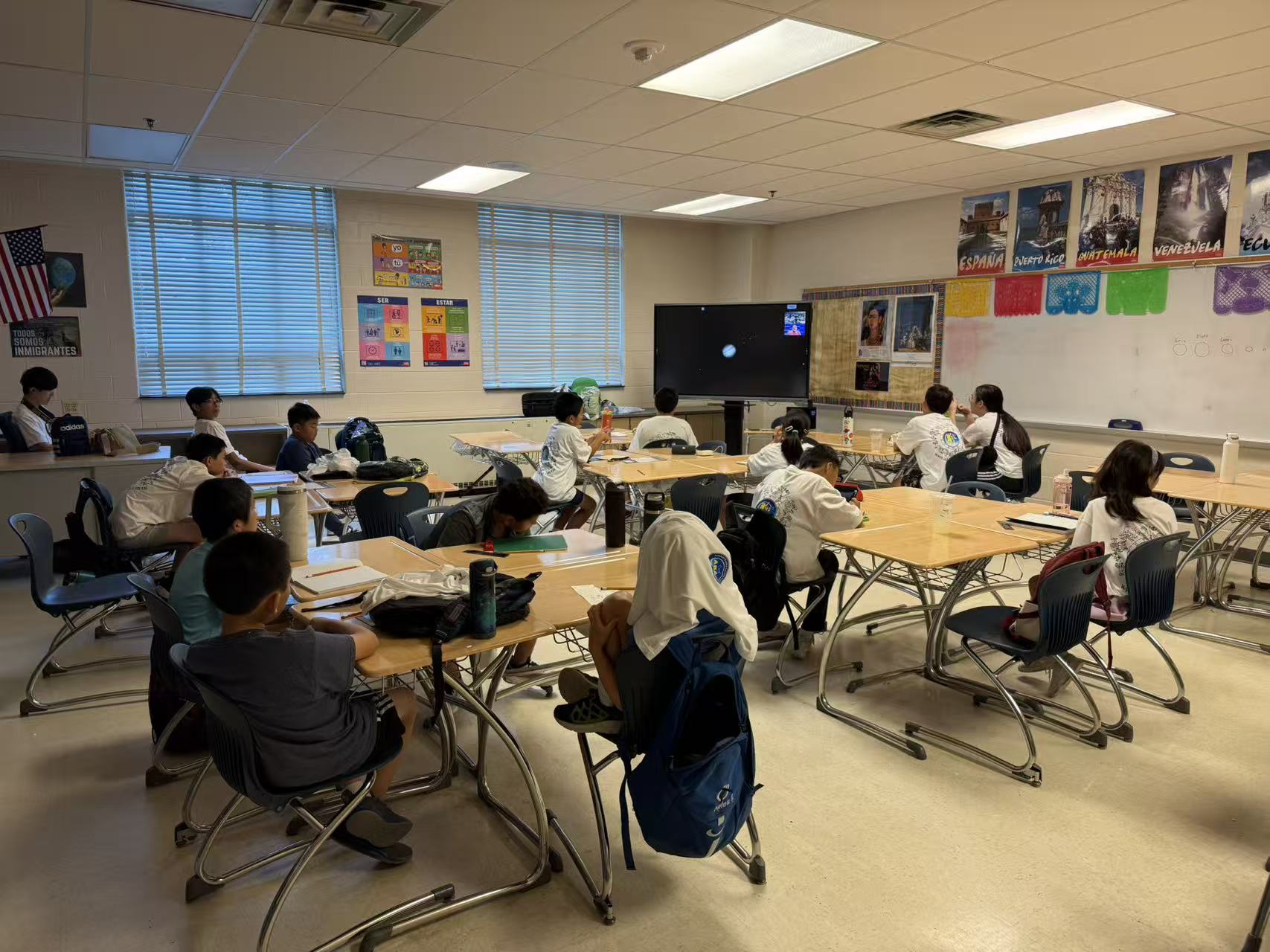
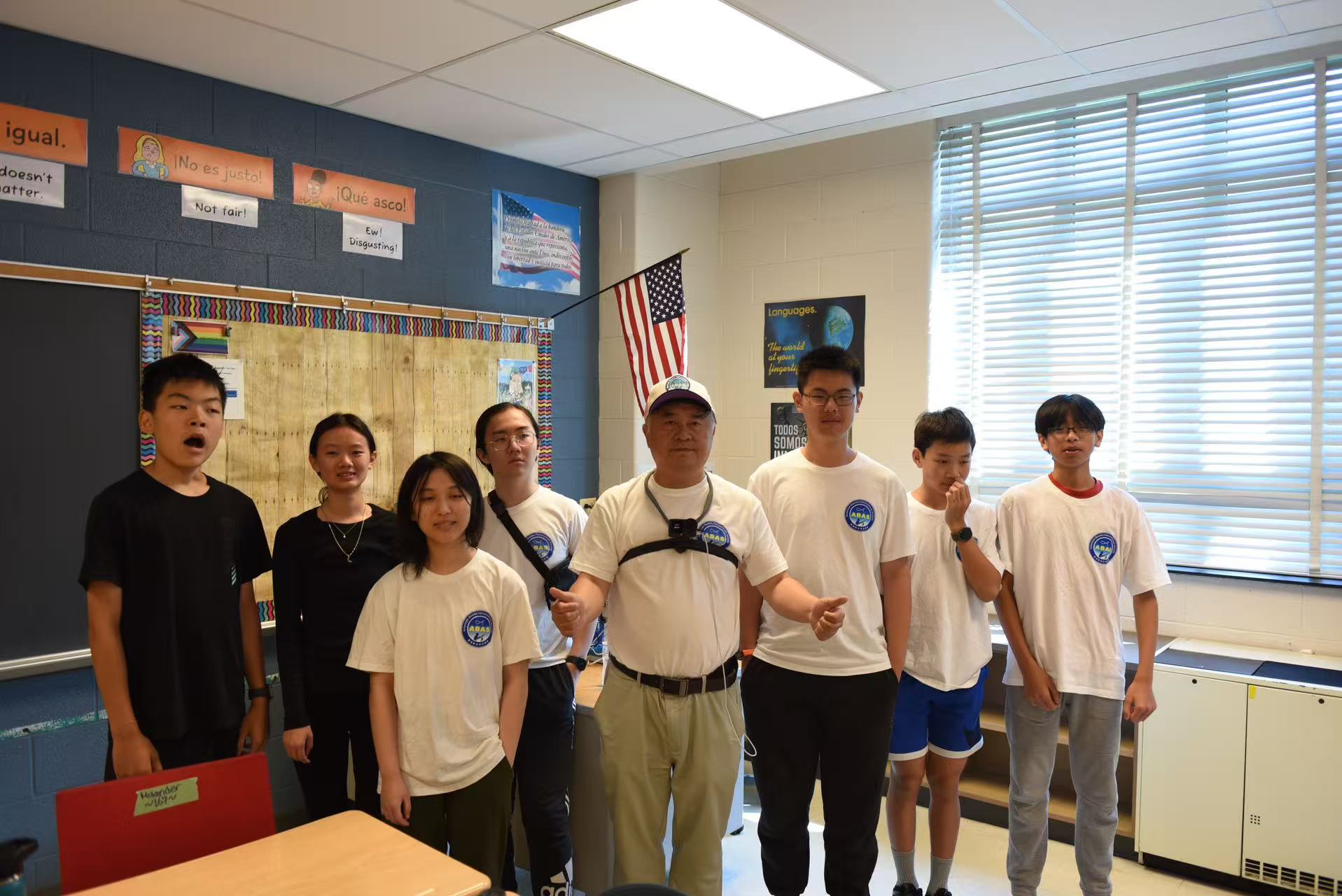
The American Boötes Astronomical Society held its 2026 Greater Washington Astronomy and Space Science Camp from June 29 to July 2 in Rockville, Maryland. Campers from many backgrounds spent four days exploring planets and the solar system together.
On June 29, two elementary students from Israel and Iran sat side by side in class, a reminder that curiosity about the night sky knows no borders.
Guest lectures and classroom science
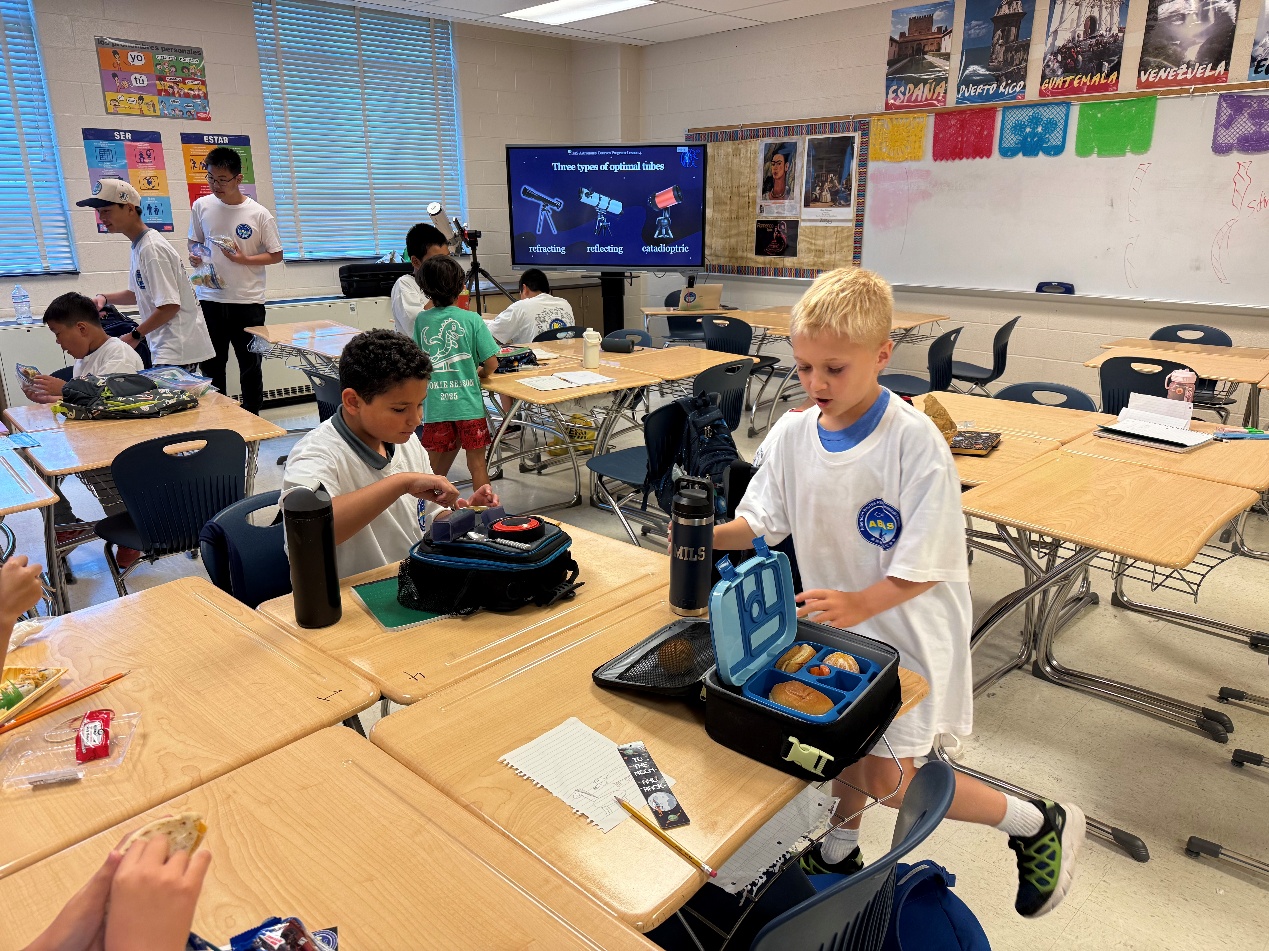
On June 29, campers listened closely as Dr. Rick Fienberg, a Harvard-trained astronomer and internationally recognized science educator, explained how Pluto was reclassified as a dwarf planet. His talk was one of several guest lectures at the four-day camp, showing students firsthand how scientists study planets and solar system history.
In the classroom, campers dug into the basics of astronomy, from how planets form to the history of our solar system. ABAS leaders Renjiang Xie and Ruofan Wang, along with guest instructors, used engaging talks and discussion to show students how real scientists investigate the universe, sparking questions that lasted well past the classes.
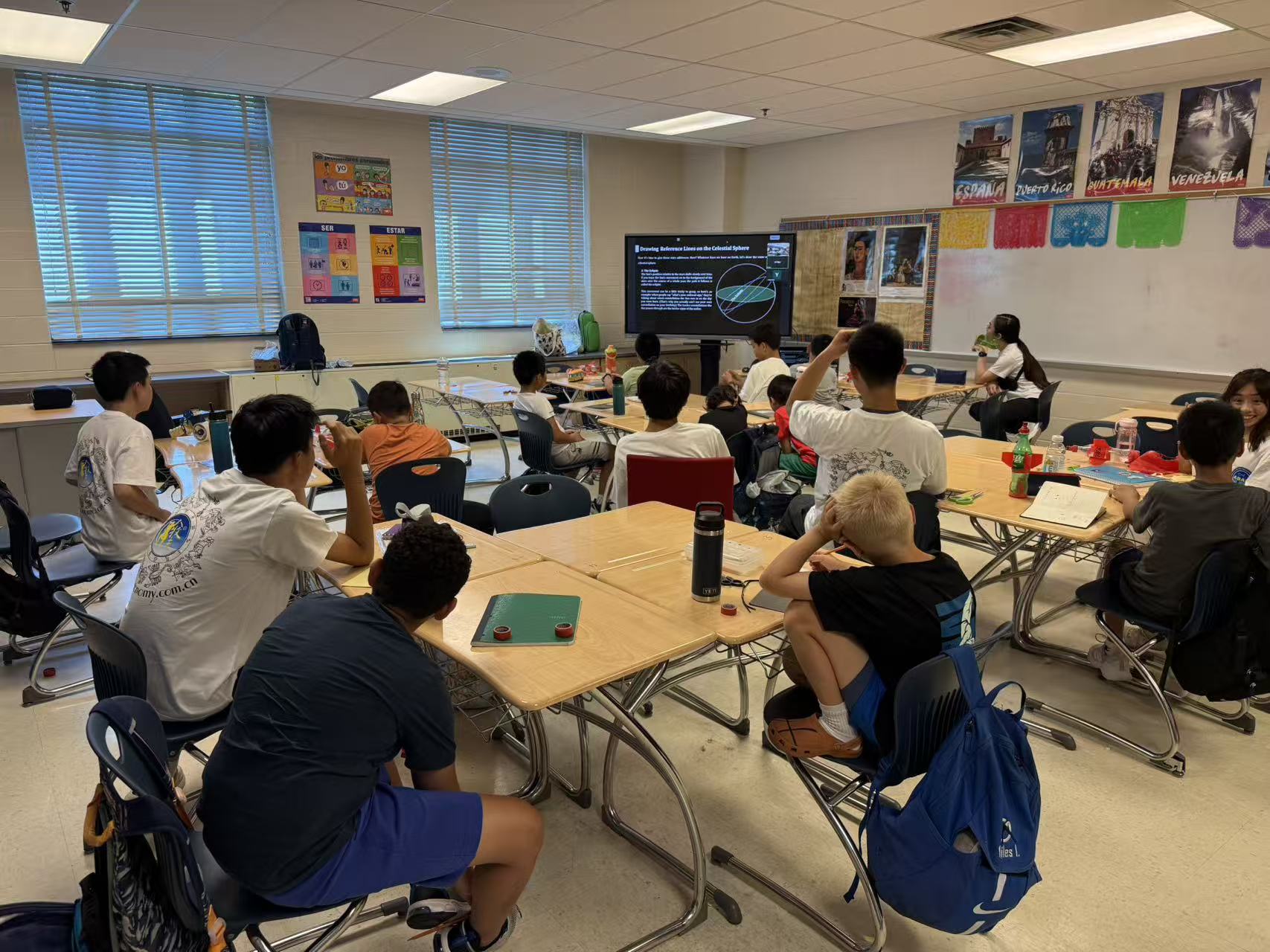
Rockets, paper instruments, and microscopes
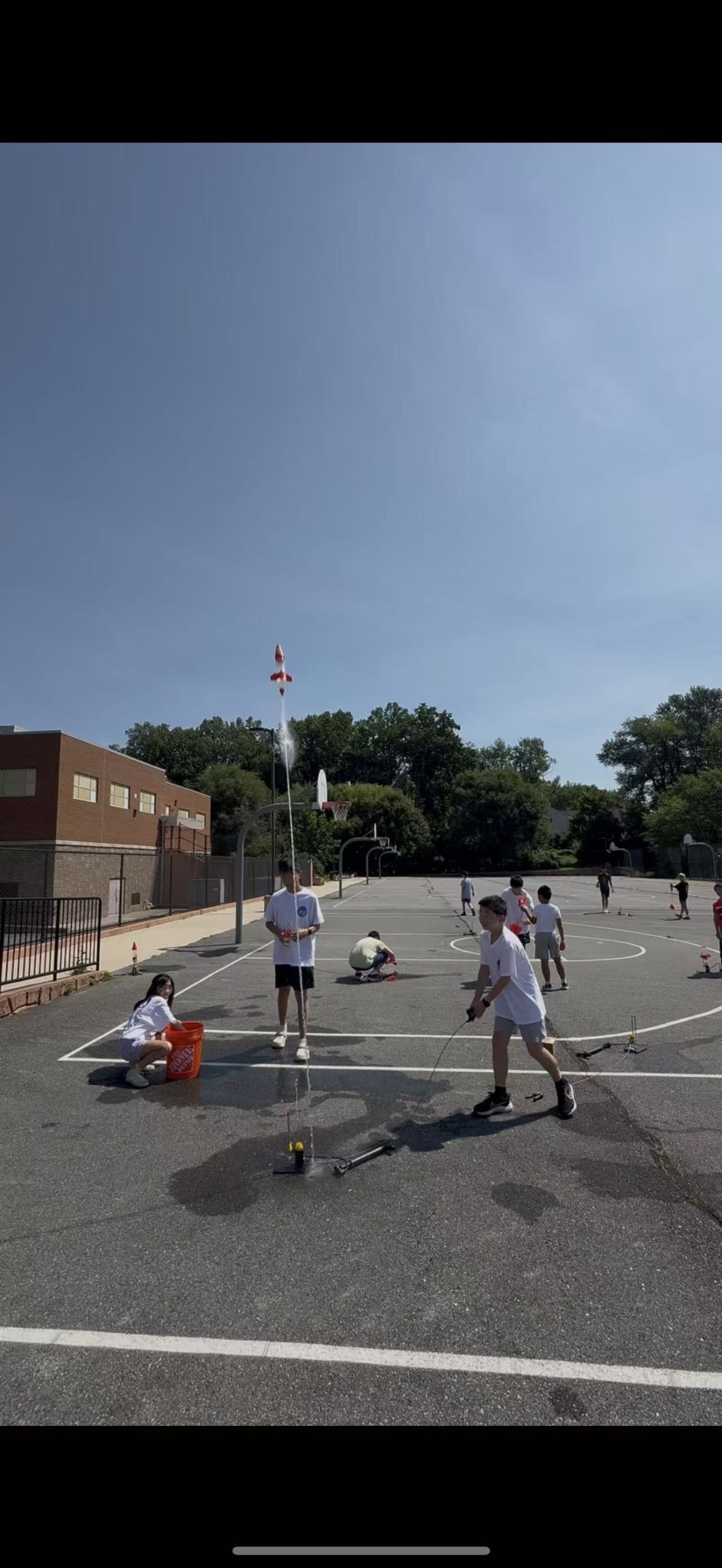
Campers gathered on the school field to launch water rockets they had designed and assembled themselves. Each flight served as a hands-on physics lesson, letting students feel how pressure, propulsion, and aerodynamics work together.
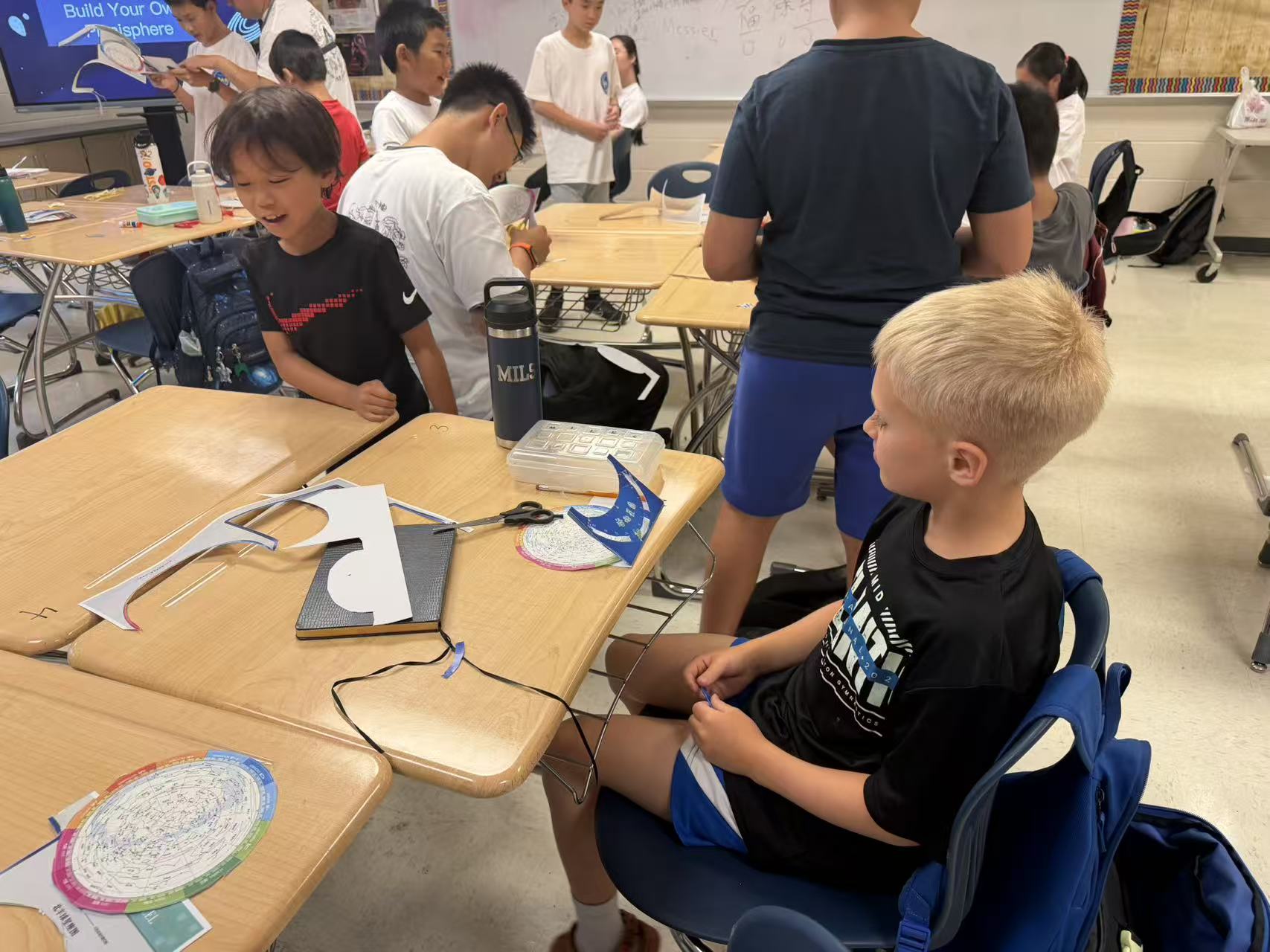
Students built simple paper astronomy instruments inspired by ancient Chinese sky-watching tools, learning how early astronomers tracked time and observed the heavens long before the telescope existed.
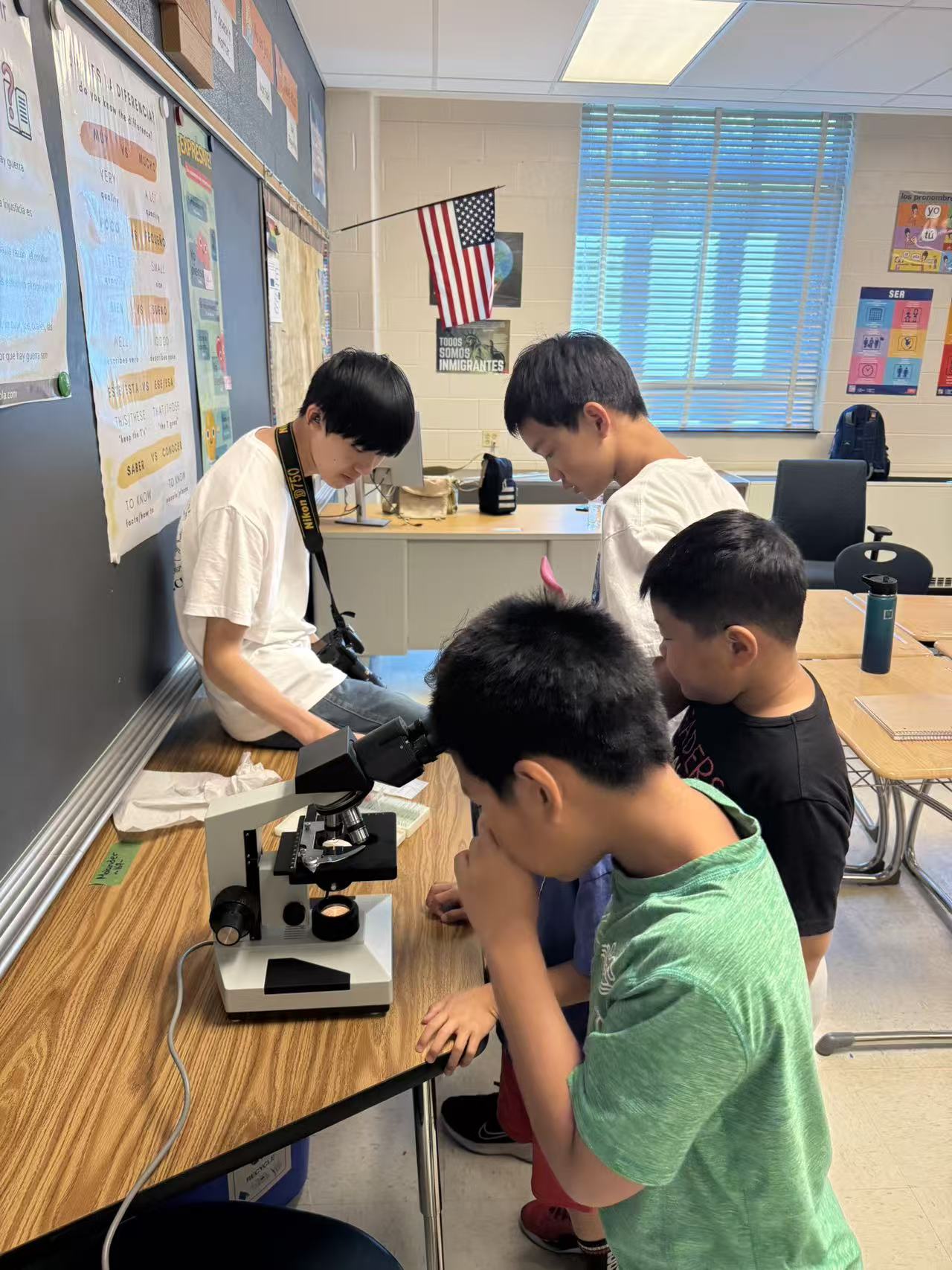
Through microscopes, campers examined thin slices of meteorites alongside biological specimens, comparing textures and structures up close.
Volunteers and certificates
High school volunteers, including students from the Chinese Youth Organization Club (CYOC), assisted with classes and daily activities throughout the four-day camp, mentoring younger campers and helping create a rewarding learning environment for everyone who took part.
After four days of learning, building, and exploring together, campers proudly showed the certificates of completion they had earned. Beyond the certificates, students left with new friendships, new skills, and a deeper curiosity about the universe waiting for them.
Camp video
02
June 29, 2026
Rockville Sidewalk Astronomy Night
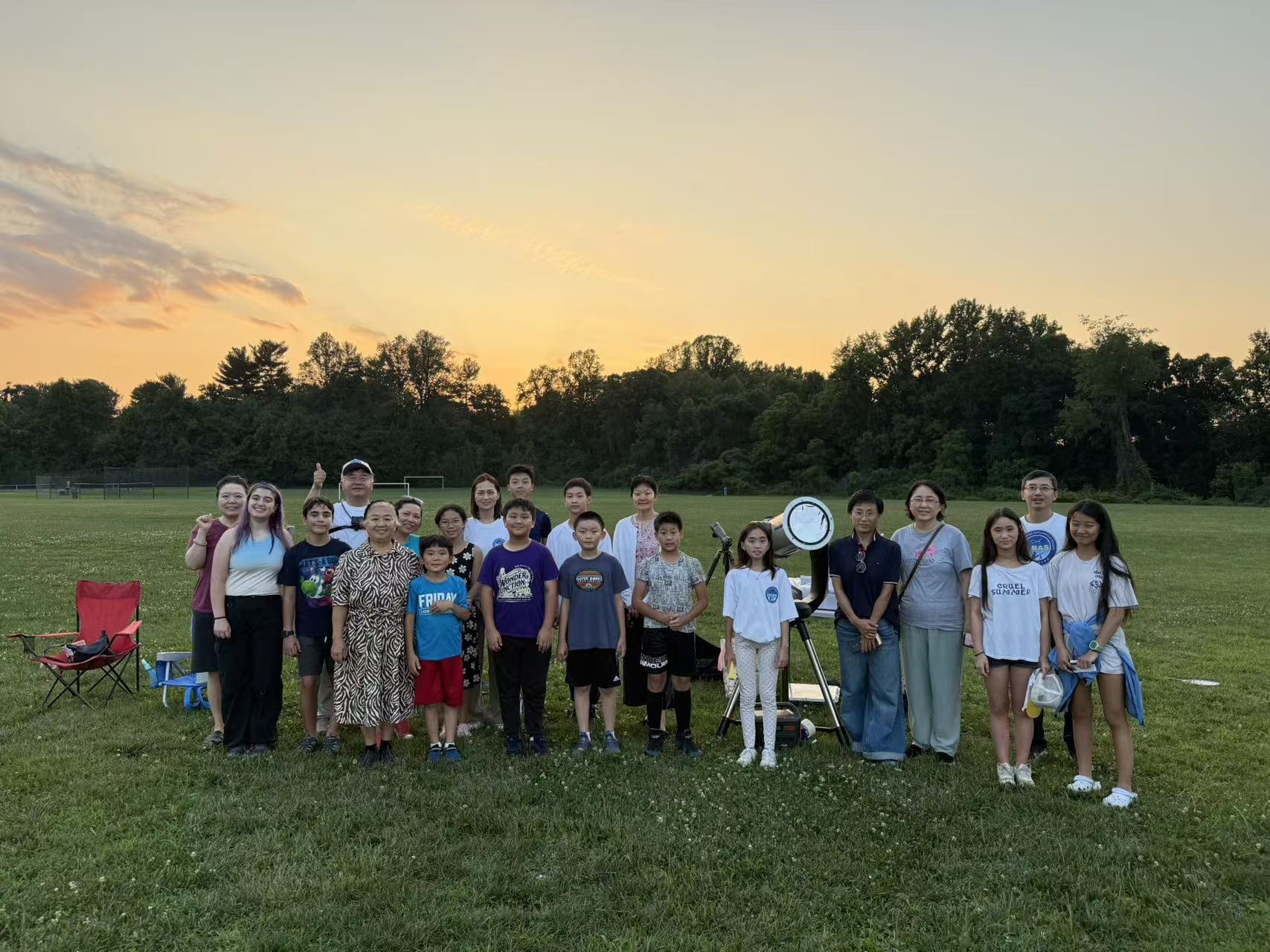
At 8 p.m. on June 29, ABAS held its 2026 Rockville Sidewalk Astronomy Outreach Night on the lawn behind Robert Frost Middle School. Nearly 200 students, parents, and neighbors turned out to view the night sky, with Hispanic, Mexican American, and Armenian American families volunteering side by side to welcome the crowd.
03
August 12, 2026
Total Solar Eclipse in Lerma, Spain
Setting up in Lerma
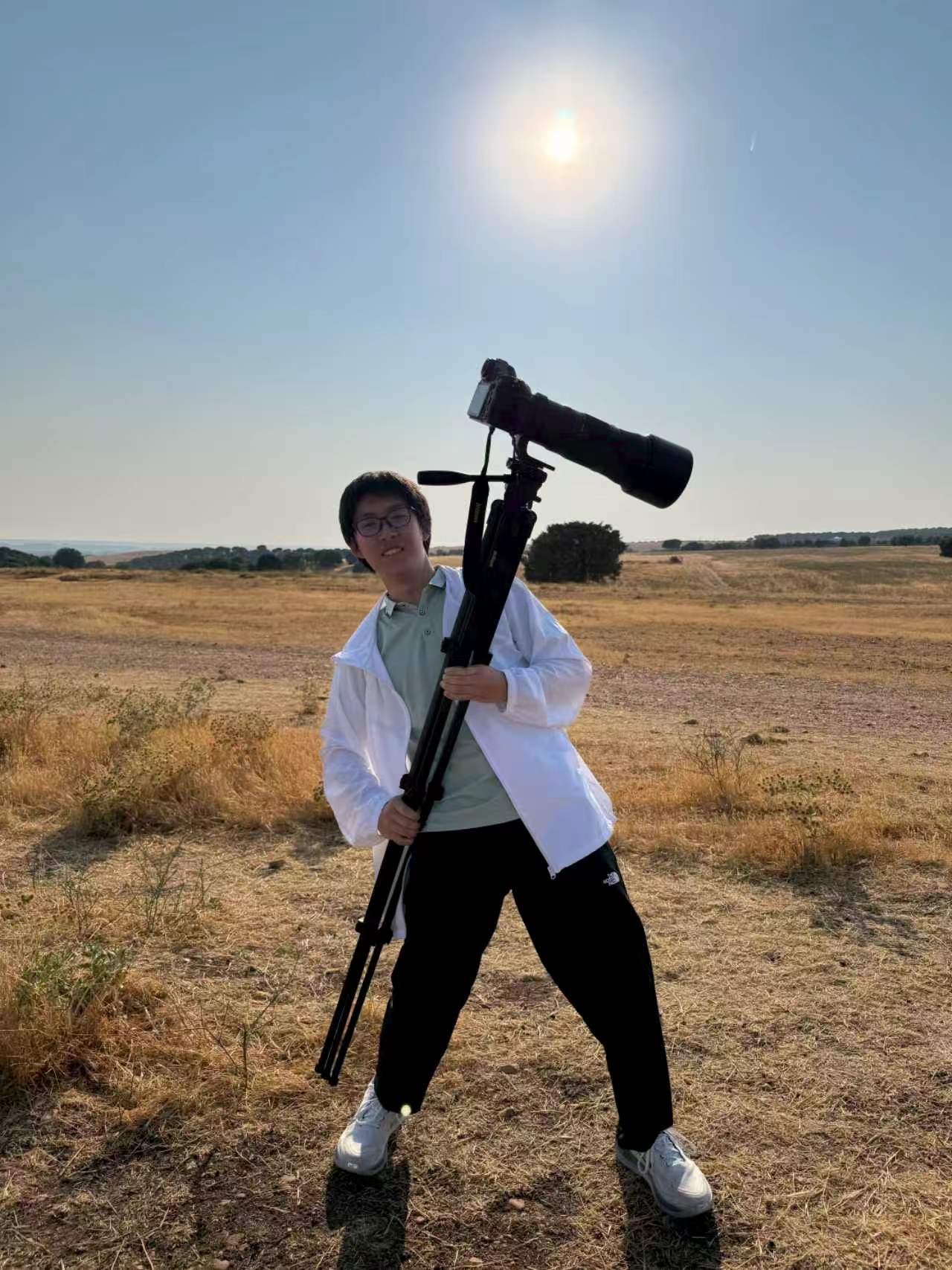
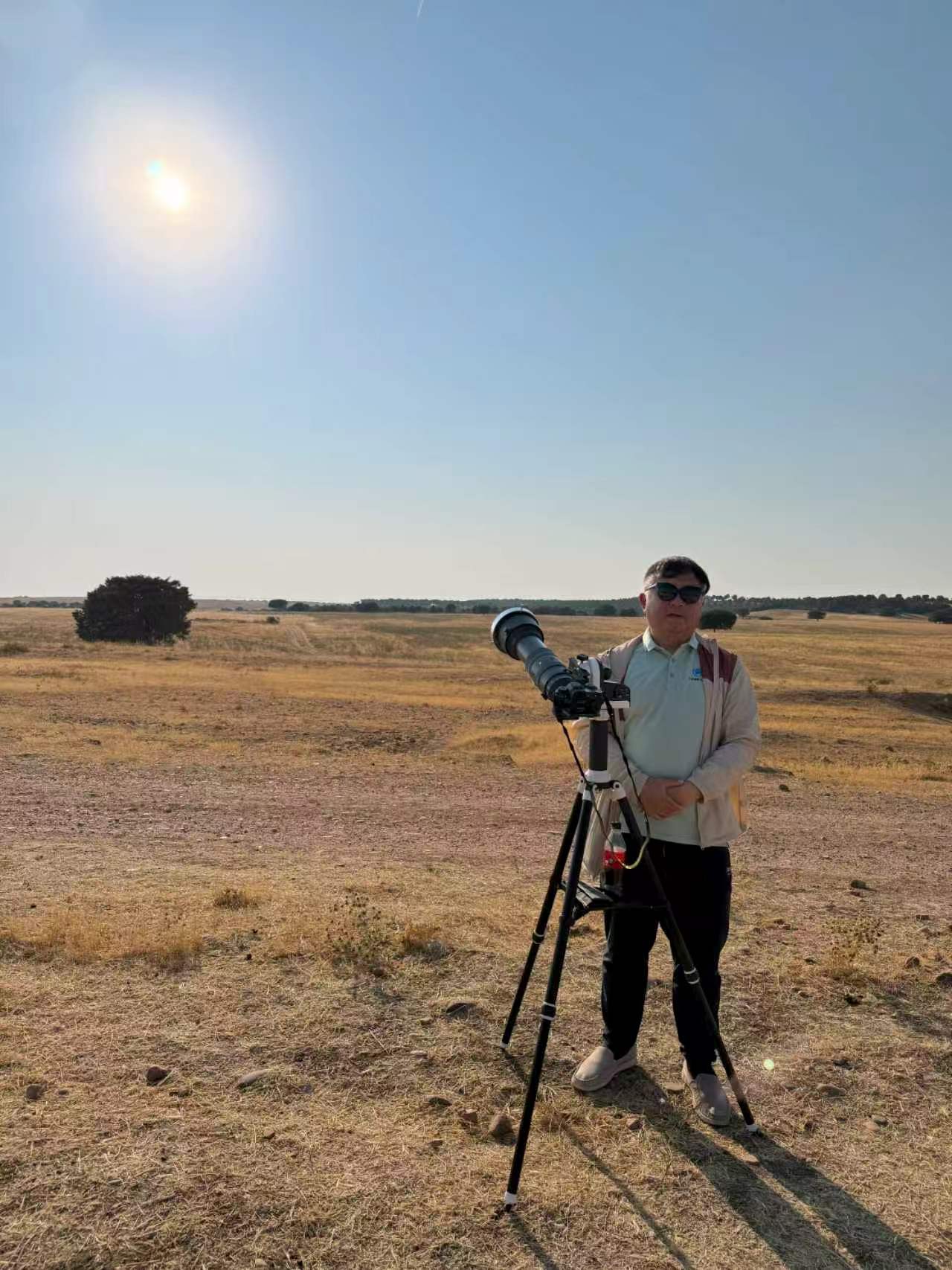
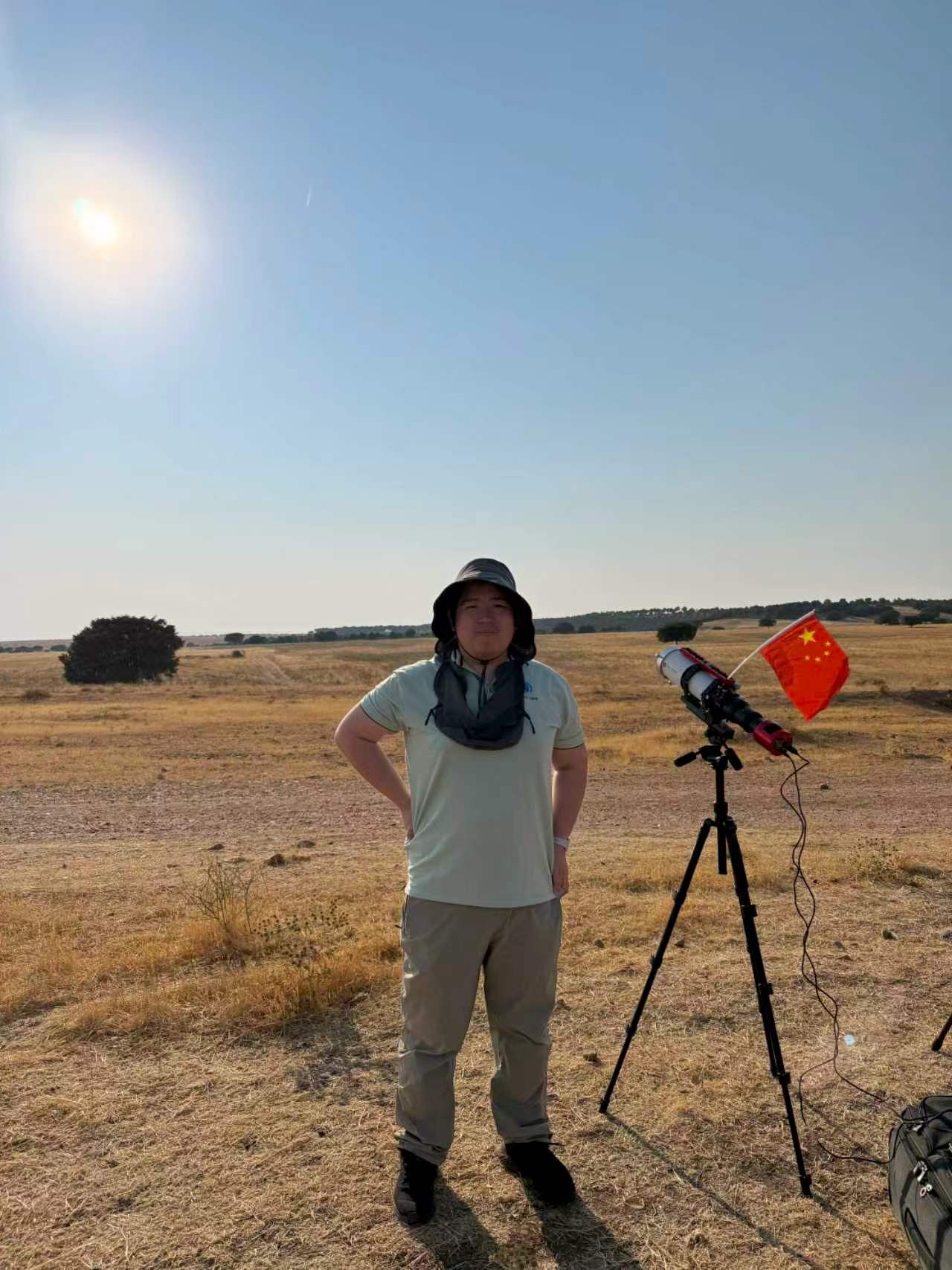
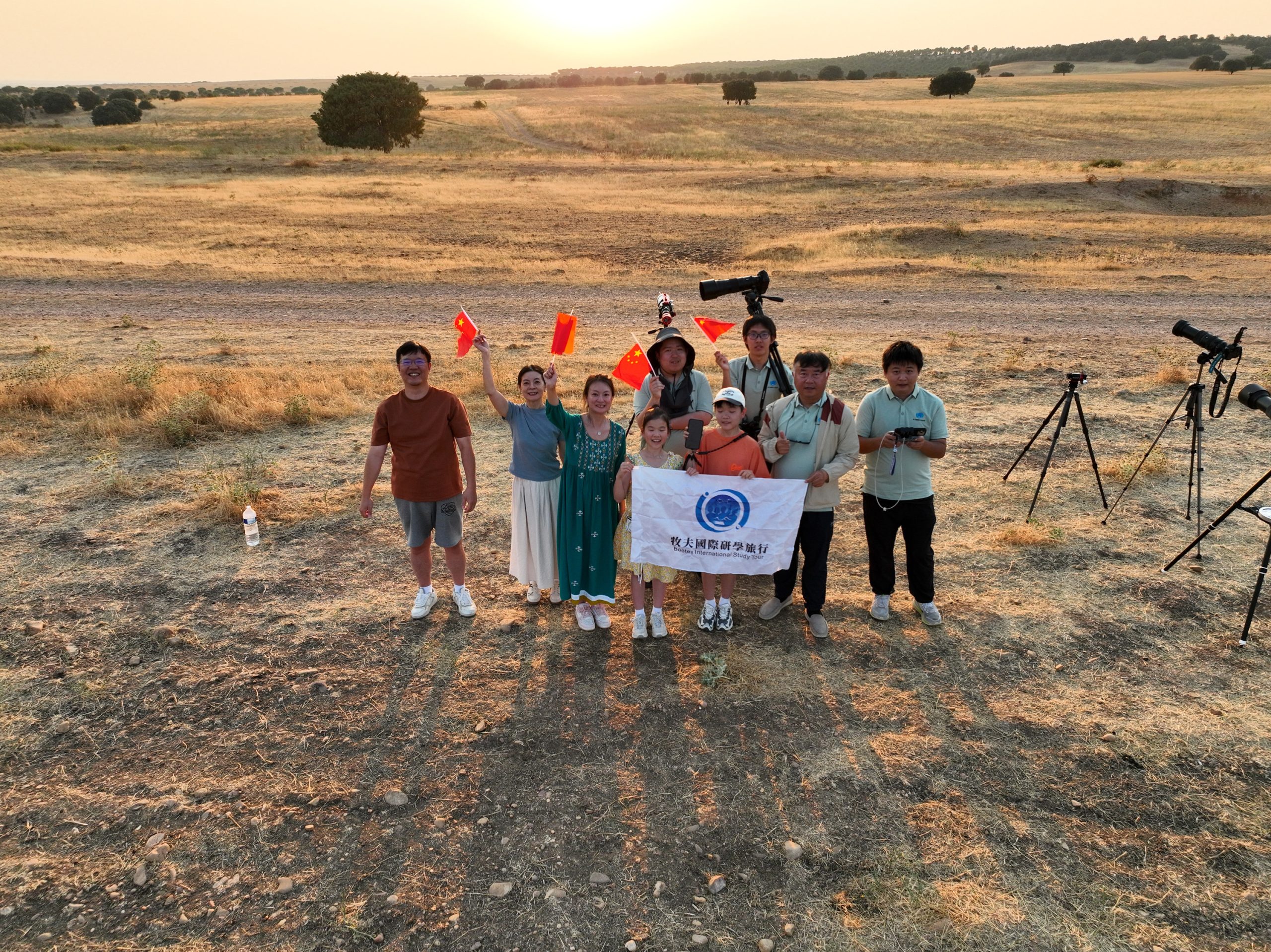
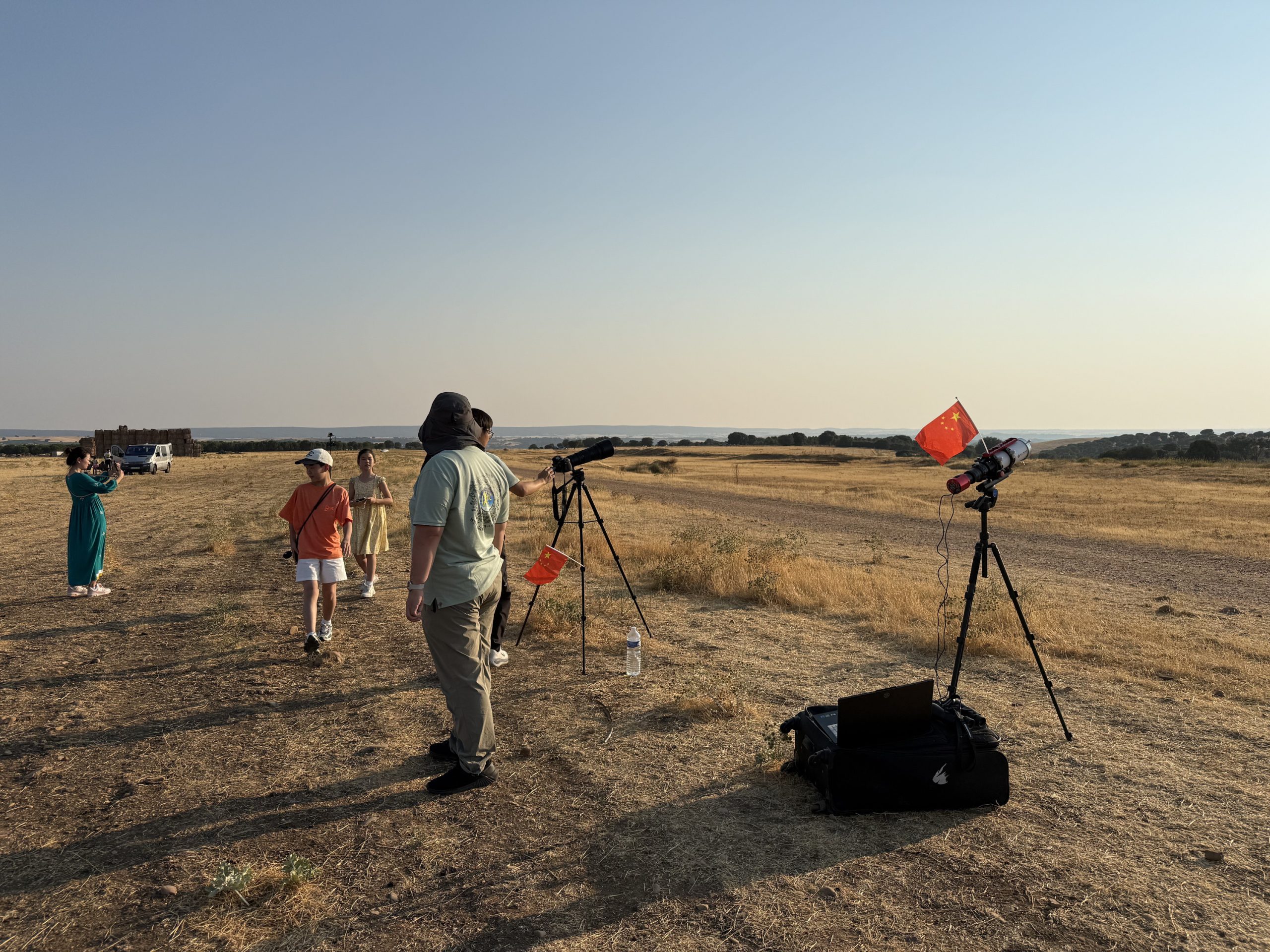
On August 12, 2026, the American Boötes Astronomical Society’s eclipse photography team observed and photographed the total solar eclipse in Lerma, in the Spanish province of Burgos. Four team members and a family of five, nine people in all, set up observing equipment on high ground to record this rare, spectacular total eclipse.
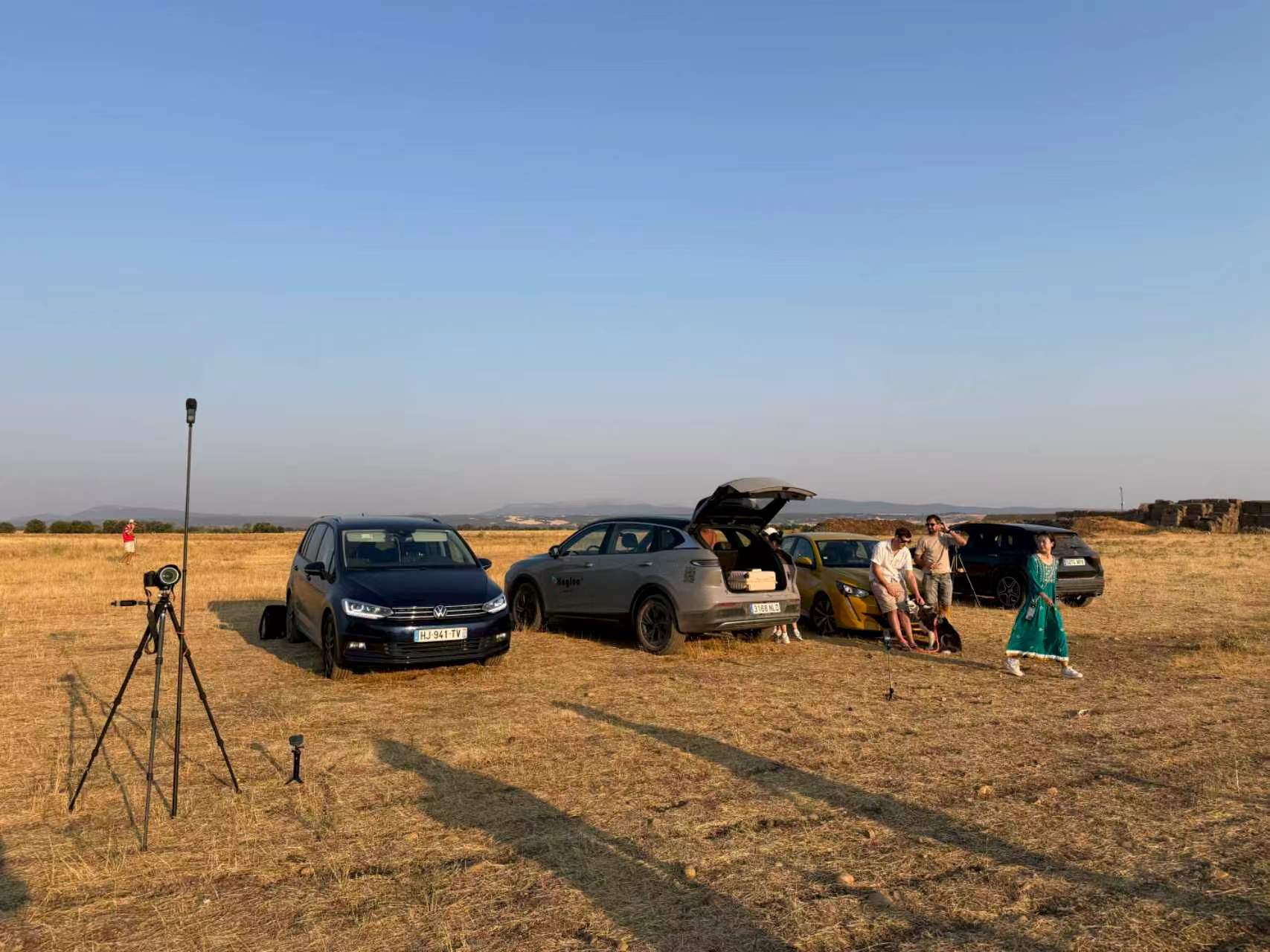
With the Sun low in the sky, an unobstructed horizon in its direction was especially important. Grassland stretched into the distance at the team’s chosen site, with trees scattered across the landscape. The team photographed the eclipse using telescopes, cameras, and telephoto lenses. The group also included students learning astrophotography.
Sunspots, corona, and Baily’s beads
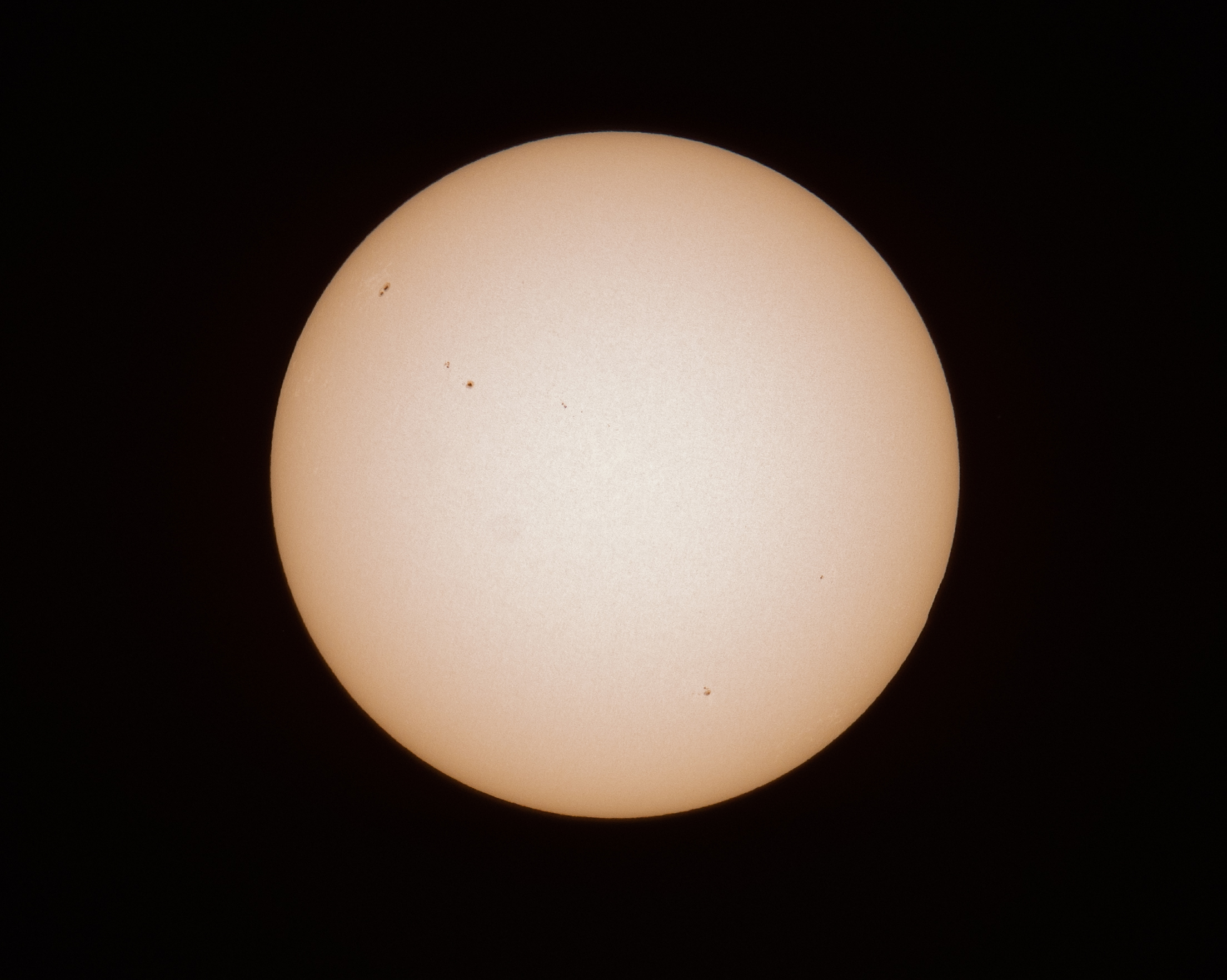
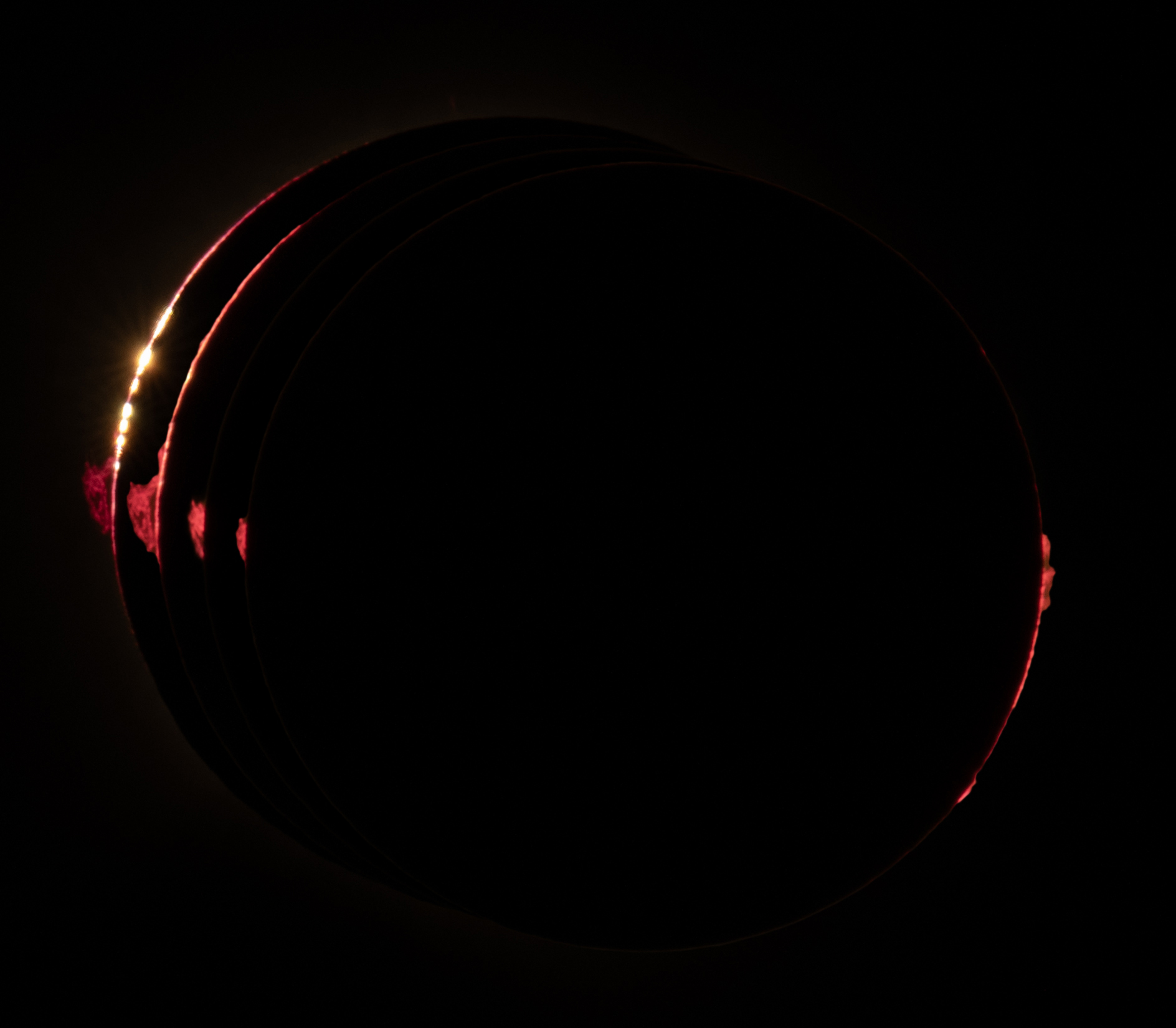
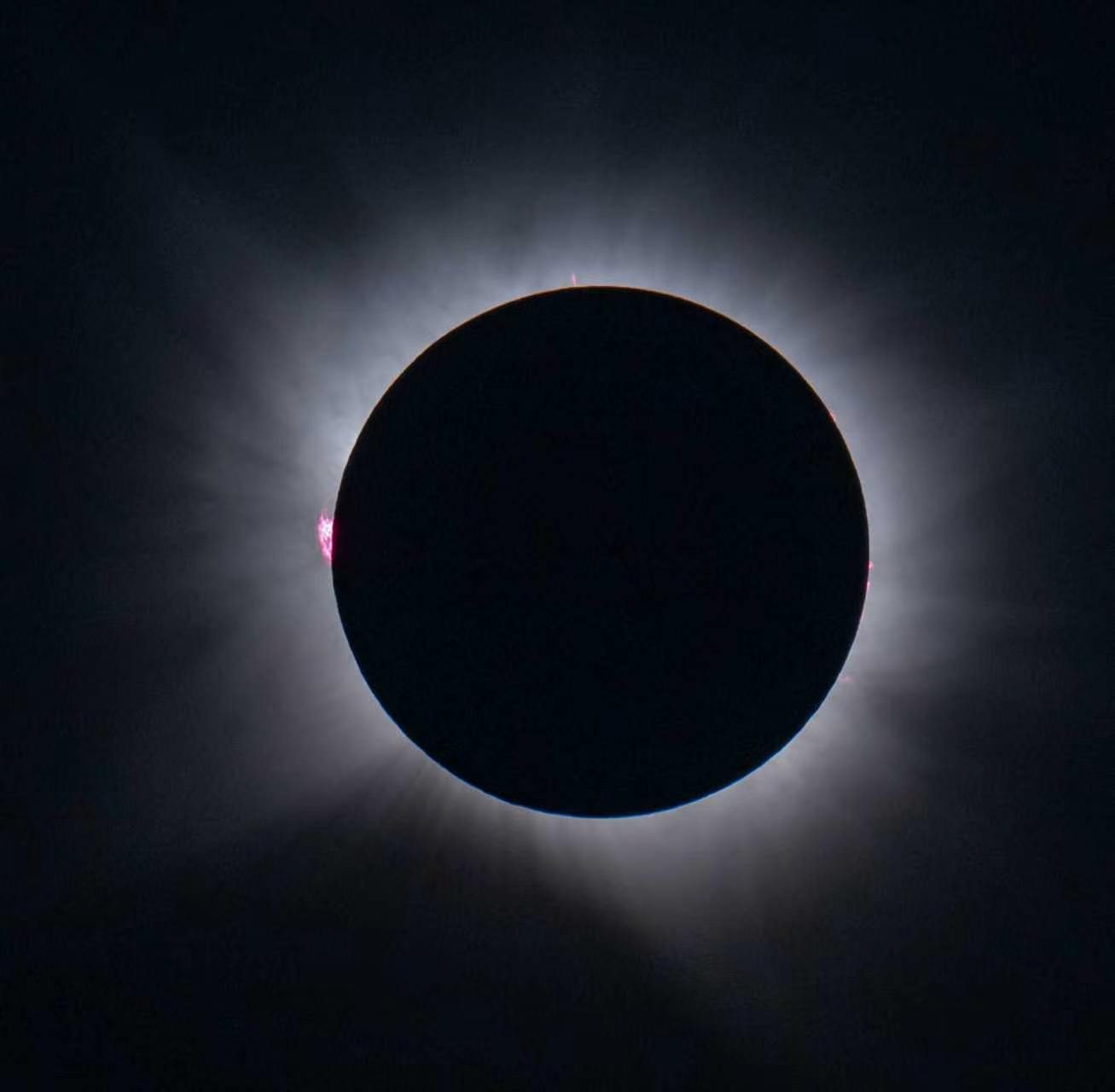
Before totality, the team photographed sunspots through solar filters. As the Moon covered the Sun’s bright photosphere, the corona appeared around its dark silhouette, with red prominences extending beyond the edge. Just before and after totality, sunlight passed through valleys along the Moon’s limb, briefly forming Baily’s beads. Images taken at different moments were overlaid in post-processing to show how these details changed.
The team in the field
Alongside close-ups of the eclipse, the team photographed the site, their vehicles, and their equipment. The nine participants posed on the grass holding flags, with telescopes and tripods beside them. Together, these photographs and the eclipse images document their trip to observe the total solar eclipse in Spain.